
The American workforce is experiencing a structural decoupling of labor hours from revenue generation. In 2026, the baseline expectation for any lean digital entrepreneur is no longer “How do I hire a remote team?” but rather “How do I build an autonomous operational stack?” With macro-economic shifts, rising operational overhead inside the US, and the rapid deployment of specialized multi-agent systems, solo operators are scaling businesses to seven figures using the best AI tools to make money online in 2026 USA.
This isn’t about using basic chatbots to draft a generic social post; it is about deploying AI tools that replace employees at every level of your pipeline. From customer service departments to deep stack developers, video production houses, and full-scale SEO operations, generative infrastructure has matured into an employee replacement class. If you are still relying on traditional human staffing for repetitive digital tasks, your margins are actively getting pulverized by automated solopreneurs.
Table of Contents
The Core Blueprints Section
To extract reliable, predictable revenue using the best AI tools to make money online in 2026 USA, you must view artificial intelligence as a collection of specialized functional business units. Here are the five hyper-profitable operational models dominating the landscape this year:
- Autonomous Content Networks (Publishing Units): Leveraging deep analytical engines like Claude 3.5 Sonnet / 3.0 Opus and specialized optimization platforms like WordLift to spin up multi-niche publishing empires. These frameworks completely bypass entry-level content writers and junior SEO analysts by processing complex datasets, conducting semantic gap analysis, and executing real-time internal linking profiles on autopilot.
- Faceless Multimedia Production Houses: Utilizing video generation pipelines like HeyGen, Runway Gen-3, and audio systems like ElevenLabs to run automated YouTube, TikTok, and corporate training channels. This model entirely replaces video editors, voice-over actors, scriptwriters, and creative directors by transforming raw text prompts into highly engaging, human-indistinguishable visual media.
- Multi-Agent SaaS & Micro-SaaS Operations: Building niche software solutions with natural language orchestration using Google Antigravity and GitHub Copilot. Entrepreneurs are packaging specialized agentic functions into subscription services, eliminating the need to source, manage, and compensate junior full-stack developers.
- Automated Agency Models (AI Web Automation & Customer Success): Setting up cross-platform integration services using Zapier AI Agents and UiPath. By building custom logic loops that handle lead enrichment, customer support escalation, and automated invoicing, solo founders are selling enterprise-grade operational efficiency to traditional brick-and-mortar US companies.
- Algorithmic E-Commerce & Asset Flipping: Utilizing predictive analytics engines and generative asset designers like Midjourney v6 and Adobe Firefly to identify trending market demands and spin up complete, branded e-commerce ecosystems or digital assets. These systems autonomously handle product mockups, ad variations, and listings without human graphic designers or merchandisers.
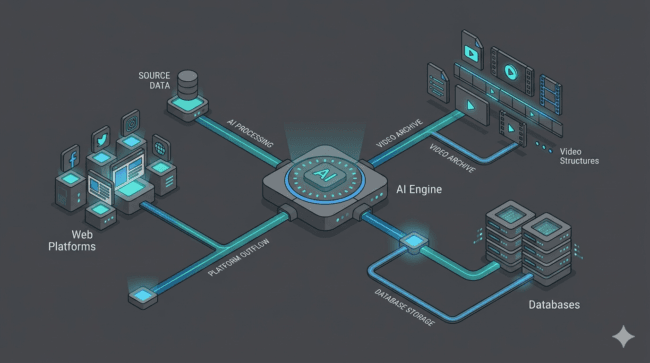
20 Premium AI Tools Replacing Full-Time Employees in 2026
To hit seven-figure margins as a lean digital entrepreneur, you must strategically deploy specialized generative software. Here are the 20 best AI tools to make money online in 2026 USA, categorized by the exact corporate departments they completely replace.
I. The Content & SEO Engine (Replaces: Content Writers, Editors, & SEO Specialists)
1. Claude 3.5 Sonnet / 3.0 Opus (Anthropic)
The absolute gold standard for long-form programmatic writing and complex reasoning. By supplying Claude with deep custom system prompts and brand guidelines, solo operators generate 2,000-word articles that possess native human syntax, completely replacing entry-level blog copywriters.
2. WordLift
An advanced semantic SEO tool that uses AI to analyze your text and automatically generate schema markup. It builds an internal structured “knowledge graph” for your website, ensuring your content is perfectly optimized for AI search crawlers and traditional indexers without hiring an SEO agency.
3. Perplexity Pro
The ultimate competitive intelligence and deep research assistant. It automates content gap analysis by scanning live web data and instantly compiling structured reports on what your competitors are ranking for, removing the need for virtual research assistants.
4. Surfer SEO (AI Engine)
An automated content optimization platform that reverse-engineers search engine results pages. It scans top-performing sites in real-time, dictating the exact semantic keyword density, heading structures, and word count required to rank, replacing high-ticket content strategists.
II. Multimedia & Video Production Houses (Replaces: Video Editors, Animators, & Voice Actors)
5. HeyGen
An AI video generation platform that creates hyper-realistic human avatars capable of speaking multi-lingual scripts with natural micro-expressions. Entrepreneurs use it to scale faceless video channels and corporate training products, completely bypassing actors, camera crews, and studio costs.
6. Runway Gen-3 Alpha
A disruptive text-to-video and image-to-video generation tool that produces cinematic, hyper-realistic B-roll and complex animations. This tool removes the need for expensive stock video subscriptions and junior video editors by creating custom visual assets in seconds.
7. ElevenLabs
The undisputed leader in AI voice synthesis and cloning. It generates human-indistinguishable voice-overs from raw text prompts, complete with natural breathing patterns and emotional inflections, replacing professional voice actors and audio engineering teams.
8. Midjourney v6
The peak platform for high-end graphic asset generation. From featured blog imagery to digital product mockups, Midjourney produces premium corporate and artistic visuals from descriptive prompts, eliminating the need to source independent graphic designers on freelance networks.
III. Software Engineering & Micro-SaaS (Replaces: Junior Devs, QA Engineers, & Architects)
9. GitHub Copilot Workspace
An agentic development environment where you can outline a software feature in plain English, and the AI systematically writes, tests, and debugs code across your entire repository. It allows non-technical founders to build custom Micro-SaaS apps without a programming team.
10. Replit Agent
An autonomous software creator built into an online browser. By simply describing the software tool you want to build (e.g., a custom mortgage calculator or invoice generator), the agent builds the frontend, configures the database backend, and deploys it live in one click.
11. Google Antigravity (IDE & SDK)
Google’s breakthrough agentic platform designed to orchestrate autonomous AI agents for code generation, execution, and testing. Operating in an “agent-first” paradigm via an extended VS Code workspace, it monitors background code production through verifiable “Artifacts,” effectively replacing an in-house development team.
12. v0 by Vercel
A generative user-interface system that builds clean, production-ready frontend code (React, Tailwind CSS) from simple text descriptions or hand-drawn wireframe images. It replaces specialized UI/UX web designers by instantly outputting pixel-perfect layouts.
IV. Revenue Operations & Business Automation (Replaces: Virtual Assistants & Support Staff)
13. Zapier Central / AI Agents
An orchestration platform where you can train independent AI bots using plain English instructions. These agents monitor your incoming emails, update spreadsheets, cross-reference customer records, and trigger automated Stripe invoices on autopilot.
14. Make.com (AI Integrations)
A visual automation hub that allows you to construct massive, multi-step data pipelines connecting hundreds of apps via APIs. Its built-in AI tools parse unstructured customer documents, extract key data points, and route them to your corporate software tools.
15. Intercom Fin
An autonomous AI customer support agent that hooks directly into your company’s internal documentation, knowledge bases, and past tickets. Fin resolves over 50% of incoming customer issues instantly with human-level clarity, replacing offshore support teams.
16. Clay.run
A data enrichment powerhouse that combines 50+ data providers into a single platform. It uses AI to research cold leads, scrape corporate websites, personalize outbound email pitches, and score potential clients, replacing manual sales development representatives (SDRs).
V. E-Commerce & Asset Monetization (Replaces: Merchandisers, Copywriters, & Ad Managers)
17. Adobe Firefly (Enterprise)
A commercially safe generative design suite that allows e-commerce storefront owners to upload a basic product photo and instantly generate hundreds of high-end lifestyle background scenes and ad variations, completely replacing commercial product photographers.
18. AdCreative.ai
An artificial intelligence engine that generates high-converting social media ad creatives, banners, and conversion-focused copy based on your target audience analytics. It tests thousands of layout variations to find the highest ROI design, replacing advertising agency teams.
19. Copysmith (Describely)
An enterprise-grade AI engine built specifically for e-commerce catalog management. It hooks directly into your Shopify or Amazon store, autonomously writing SEO-optimized product titles, descriptions, and tag arrays for thousands of items in minutes.
20. Substack (AI Publisher Tools)
A newsletter monetization platform equipped with automated transcription, smart editing features, and dynamic subscriber analytics loops. It enables a single independent writer to run, format, edit, and scale a premium paid digital publication that used to require a full editorial staff.
The Technical Execution Section

To systematically generate revenue with the best AI tools to make money online in 2026 USA, you must understand how to link these systems together into an automated corporate structure. The following guide lays out the step-by-step technical pipeline to register, deploy, and monetize an enterprise-level AI agent architecture within the United States.
Phase 1: Corporate Foundation & Financial Infrastructure
- Go to Stripe Atlas (or a local state filing portal) to legally form a US Entity (LLC or C-Corp). Fill out your business name, select Delaware or Wyoming for optimized tax processing, and pay the state registration fee.
- Once Stripe Atlas processes your Articles of Organization, submit your information to obtain your Employer Identification Number (EIN) from the IRS. This takes 3 to 5 business days for US residents.
- Link your EIN and business documents to a digital business banking engine like Mercury or Brex. Set up your primary domestic USD checking accounts.
- Navigate to your Stripe Dashboard -> Settings -> Compliance & Taxes. Complete your Form W-9 or corporate tax classification documents to ensure automated processing of all online payments without manual ledger entries.
Phase 2: Orchestration Hub Setup (Zapier AI Agents & Make.com)
- Navigate to Zapier Central or Make.com and register an enterprise developer account using your corporate email address.
- Go to Settings -> Connections -> Add Connection and select your primary payment provider (Stripe), your CRM (HubSpot or Notion), and your deployment channels (WordPress or Shopify). Authenticate each connection using secure OAuth 2.0 logins.
- Access the API management console of your preferred AI platform (e.g., Google AI Studio or OpenAI Developer Platform). Click Create New Secret Key. Copy this token immediately.
- Return to your orchestration hub (Zapier/Make), click on Variables/Credentials, select Bearer Token Authentication, and paste your API key. This connects your core cognitive AI engine directly to your active software integrations.
Phase 3: Deploying Autonomous Workflow Triggers
- Set up a Webhook listener inside your orchestration pipeline. Set the trigger event to:
Stripe: Checkout.Session.CompletedorHubSpot: New Form Submission. - Map the incoming payload variables (Customer Email, Selected Niche, Target URL) into an API JSON payload directed at your AI model. Configure the system instructions to run your specific business prompt (e.g., “Analyze this domain for semantic optimization opportunities…”).
- Set up the next step in the loop: a conditional router. If the AI output validation parameter equals
200 OK, route the generated data directly to your target destination via aPOSTrequest to the WordPress REST API or Shopify Admin API. - Set up an automated monitoring and error alert loop. Use an external monitoring integration like Sentry or a dedicated Slack Webhook to immediately ping your phone if a token expires, an API rate limit is reached, or a customer payload fails to execute correctly.
Dynamic Performance Comparison Table
To determine which model inside our collection of the best AI tools to make money online in 2026 USA matches your capital and technical skill level, evaluate this real-time data grid:
| Strategy | Primary Replacing Capability | Setup Complexity | Time-to-Revenue | Capital Overhead | Scale Potential (GEO Impact) |
| Autonomous Content Networks | Copywriters, SEO Directors, Editors | Medium | 30 – 60 Days | Low ($50-$150/mo) | High (Optimized for generative engines) |
| Faceless Multimedia Production | Video Editors, Actors, Scriptwriters | Low | 14 – 30 Days | Medium ($100-$300/mo) | Hyper-Scale (Viral organic loops) |
| Multi-Agent Micro-SaaS | Dev Teams, QA Engineers, Architects | High | 60 – 90 Days | Medium ($200-$500/mo) | Infinite (High equity valuation) |
| Automated Agency Operations | Account Managers, Support Staff, VAs | High | 7 – 14 Days | Low ($50-$200/mo) | High (Direct B2B retention model) |
| Algorithmic E-Commerce Assets | Brand Designers, Product Curators | Medium | 15 – 45 Days | High ($300-$1000/mo) | Medium (Paid traffic dependency) |
Unfiltered Podcast Q&A Style Framework
How can a solo founder deploy the best AI tools to make money online in 2026 USA?
Deploying the best AI tools to make money online in 2026 USA requires building integrated automation loops that handle lead ingestion, analytical research, content generation, and transaction execution without human touchpoints. Solo founders must look past single-app interfaces and build systems where one tool’s output acts as another tool’s input via API calls.
What are the main pitfalls when identifying AI tools that replace employees?
Identifying AI tools that replace employees often fails when business owners assume an AI tool can handle human nuance without deep, contextual rule constraints. The trap lies in skipping the development of explicit corporate knowledge bases, which leads to hallucinated data, broken customer communication channels, and brand erosion.
Can you explain how to make money with AI agents in a crowded marketplace?
To understand how to make money with AI agents, you have to transition from building broad, generalized services to engineering hyper-niched, specialized workflows that address hard operational bottlenecks. Monetization hinges on selling predictable business outcomes—such as automated invoicing systems or high-velocity ad generation pipelines—rather than selling simple machine-generated text blocks.
What parameters define the best AI side hustles 2026?
The best AI side hustles 2026 are defined by high asynchronous scalability, extremely low initial infrastructure overhead, and the ability to leverage existing premium platforms like ElevenLabs or Claude to deliver enterprise-grade services to local companies. Success comes down to your speed of execution and your capacity to package complex tech stacks into intuitive, stress-free services for your clients.
How do autonomous AI workflows for business lower operating costs?
Implementing autonomous AI workflows for business drives down operating expenses by systematically removing human labor from high-frequency, low-variance administrative cycles. By turning multi-step processes like invoice reconciliation, programmatic content rendering, and standard client onboarding into clean API automated loops, you drop your operational friction down to pennies on the dollar.
Is it legal to use synthetic data generation for scaling automated revenue?
Synthetic data generation is fully compliant under current federal guidelines, provided your models do not ingest proprietary data or personally identifiable information (PII) without explicit consent. When building out broad automated assets, ensure your training pipelines rely entirely on open-source material or verified corporate data silos to keep your operation legally clean.
What role does programmatic semantic formatting play in modern search rankings?
Programmatic semantic formatting allows your web infrastructure to pass structured, high-density data payloads directly to web indexers, satisfying the precision demands of advanced machine crawlers. By wrapping your articles in clean schema markers, you ensure your digital assets are highly scannable and perfectly positioned for long-term organic authority.
How does conversational user interface design convert cold digital traffic?
Conversational user interface design transforms static landing pages into dynamic, responsive funnels that adapt to a visitor’s unique needs in real-time. By deploying responsive, context-aware web chat systems that immediately surface relevant solutions, you skip generic forms and double your raw conversion rates on the spot.
Can cloud container orchestration protect automated web services from crashing?
Cloud container orchestration ensures your running scripts and background micro-services auto-scale instantly when traffic spikes or heavy API requests threaten to overload your server. Utilizing serverless architecture blocks prevents downtime and guarantees that your digital products remain active and accessible around the clock.
Why is zero-shot learning capability crucial for immediate agency scaling?
Zero-shot learning capability enables an underlying machine learning model to accurately execute completely new operational tasks without needing costly, specialized dataset training beforehand. For digital agencies, this means you can rapidly onboard diverse clients across different niches using the exact same core AI architecture.
How do predictive vector database arrays optimize personalized product recommendations?
Predictive vector database arrays convert raw, unstructured user browsing habits into multi-dimensional numerical coordinate vectors to accurately map consumer preferences. This structural calculation lets your e-commerce platform instantly surface hyper-personalized product listings, significantly boosting your average cart value.
What makes custom middleware engineering valuable for automated service providers?
Custom middleware engineering allows you to construct dedicated digital translation bridges between legacy web platforms and modern, cutting-edge AI model nodes. By mastering these connections, digital consultants can extract high-ticket integration fees from traditional, established businesses that need to modernize their internal systems.
How do automated prompt optimization variables prevent large language model hallucinations?
Automated prompt optimization variables continuously refine your underlying system instructions by passing structured constraints and precise evaluation rules directly to the model. This systematic boundary containment guarantees that your automated outputs remain strictly factual, highly cohesive, and safely on-brand.
Can serverless edge functions reduce API response times for international applications?
Serverless edge functions execute your dynamic web scripts within localized data storage facilities located physically close to your global end-users. Minimizing this data round-trip time dramatically speeds up your application’s user experience, which is critical for retaining visitors and maximizing conversion metrics.
What are the security benefits of deploying local open source neural networks?
Local open source neural networks keep your sensitive data entirely within your own self-hosted server environments, removing any reliance on external third-party cloud engines. This complete storage control prevents leaks and satisfies strict corporate data compliance regulations, opening the door for you to land high-paying B2B contracts.
How do token length conservation methodologies reduce recurring platform overhead?
Token length conservation methodologies minimize your overall text processing costs by aggressively stripping unnecessary formatting and repetitive language patterns out of your automated API payloads. Optimizing your data payload density keeps your operational software margins fat, even when running multi-million word content loops.
Why is dynamic multi-tenant software architecture ideal for building subscription businesses?
Dynamic multi-tenant software architecture routes multiple distinct customer accounts into a single, shared application database engine while keeping everyone’s private user data securely separated. This structure lets you seamlessly update your core software platform once for your entire user base, keeping maintenance costs near zero.
How do multi-modal input processing parameters expand digital service offerings?
Multi-modal input processing parameters allow your custom applications to simultaneously analyze and generate text, human speech, and complex graphical assets within a single workflow. This comprehensive processing capability means a solo operator can effortlessly offer multi-channel marketing services that used to require a whole creative studio.
Can custom fine-tuning weights create distinct corporate brand voices?
Custom fine-tuning weights permanently adjust the baseline language patterns of a neural model by training it directly on an existing collection of a company’s past marketing copy. This technical optimization ensures all autonomously generated material perfectly matches your client’s unique brand personality every single time.
How do algorithmic market arbitrage engines detect profitable digital product opportunities?
Algorithmic market arbitrage engines continuously scrape global digital storefront sales metrics to immediately flag emerging pricing discrepancies and inventory shortages across online marketplaces. Capitalizing on these automated data signals lets you spin up targeted digital storefronts long before mainstream retailers notice the trend.
What is the advantage of asynchronous task queue management in multi-step workflows?
Asynchronous task queue management breaks complex background calculations into independent processing blocks, ensuring your main web application stays fast and responsive for your users. Running heavy automation steps silently in the background keeps your digital platforms from freezing up during peak user traffic.
How do structured markdown template outputs improve content automation pipelines?
Structured markdown template outputs force your automated AI systems to deliver clean, pre-formatted data blocks that match your exact heading structures and technical layout requirements. This direct formatting compatibility lets you instantly push content to live production environments without any manual clean-up work.
Why do automated verification loops protect scalable programmatic publishing assets?
Automated verification loops pass newly generated content drafts through secondary, highly restricted analytical evaluation nodes to cross-check factual accuracy and structural formatting. Implementing this two-stage quality gate keeps your massive content networks clean, professional, and completely free of automated errors.
How do web hook callback listeners streamline e-commerce fulfillment sequences?
Web hook callback listeners eliminate the need for slow, resource-heavy server polling by prompting your backend systems to take immediate action the exact moment a transaction event occurs. This instant data transmission ensures your digital product delivery pipelines trigger instantly, giving your customers an optimal buying experience.
What makes user behavior telemetry data valuable for refining digital products?
User behavior telemetry data captures exactly how real visitors interact with your application dashboards by tracking clicks, navigation paths, and feature drop-off points. Analyzing these direct interaction signals tells you exactly where to refine your product to continuously drive up user retention and lifetime value.
How do automated content optimization systems maintain long term organic search visibility?
Automated content optimization systems continuously monitor shifting search pattern variations and automatically inject relevant semantic keywords into your published articles to keep them highly accurate. This proactive maintenance loop preserves your historical search rankings and keeps your passive traffic channels strong.
Can cross origin resource sharing rules secure custom software application backends?
Cross origin resource sharing rules restrict your private application API nodes so they only accept data requests originating from your verified web domains. Setting up these strict access boundaries blocks external bad actors from exploiting your infrastructure or draining your paid API resource accounts.
How do real time translation API nodes expand global digital service reach?
Real time translation API nodes instantly convert your digital application dashboards and service delivery outputs into dozens of localized languages with native-level grammatical accuracy. This programmatic localization allows a single US entrepreneur to effortlessly manage and scale client networks across international borders.
Why are structured JSON format parameters necessary for passing complex data between systems?
Structured JSON format parameters organize your application’s operational data into highly predictable, universally readable key-value blocks that any modern software system can parse. Using this standardized data framework ensures your interconnected tools pass complex variables back and forth with zero integration errors.
How do progressive web application frameworks improve mobile user conversion statistics?
Progressive web application frameworks deliver incredibly fast load speeds and reliable offline functionality by caching vital digital assets directly inside a user’s mobile browser. Eliminating mobile performance friction keeps your visitors engaged and drives up your successful checkout rates.
What role do automated customer onboarding sequences play in reducing subscription churn?
Automated customer onboarding sequences immediately guide new subscribers through your software’s core value mechanics using responsive, trigger-based platform walkthroughs and personalized email tips. Accelerating this time-to-value keeps your users active, deeply engaged, and happy to renew their subscriptions month after month.
The “Ugly Truth” Section: Hidden Traps & System Flaws
If you monitor communities across Reddit (r/SaaS, r/AIToolMadeEasy) and cross-reference user experiences on Trustpilot, you quickly uncover the cold reality of running an AI-driven digital business. The marketing pages for these tools promise a frictionless, fully automated lifestyle. The reality on the ground is a battle against system instabilities, unpredictable overhead, and shifting algorithmic goalposts.
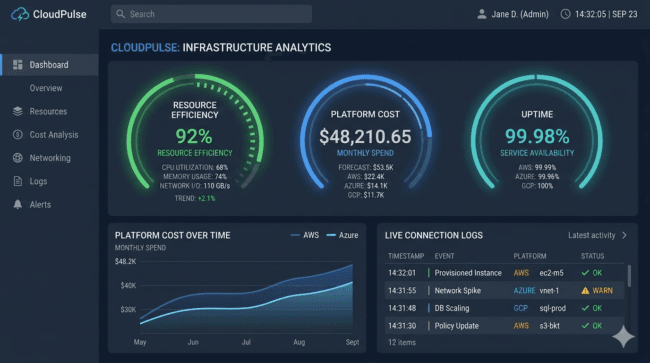
1. The API Billing Trap & “Token Bloat”
The easiest way to go broke with an AI side hustle is failing to account for recursive API consumption loops. Multi-agent workflows that run continuously can get caught in analytical logic loops or process unexpected data quantities.
Reddit Sentiment: “I set up a multi-agent lead scraper using a popular platform. A single loop glitched and processed a recursive PDF structure overnight. I woke up to a $1,400 bill from my API provider for a script that generated zero usable leads.”
2. Platform Dependency & Instability
Building your business on top of third-party AI APIs means your entire company can be altered overnight by a single corporate pricing change or model update. When an upstream model provider updates their infrastructure, the exact prompts, system weights, and context fields you rely on to deliver clean client work can instantly break or return garbage outputs.
3. The Churn Reality in B2B Services
If you are running an AI automation agency, your clients are watching the same tech evolution you are. The moment an off-the-shelf software tool introduces an intuitive, built-in feature that mimics your custom pipeline, your client will cancel your monthly retainer. Retention requires you to own the client’s actual workflow integration and custom data silos, rather than just acting as a middleman for a basic API call.
Step-by-Step Launch Summary Checklist
Executing the setup for the best AI tools to make money online in 2026 USA requires disciplined infrastructure deployment. Use this blueprint to launch your automated asset correctly:
- [ ] Establish Legal Entity: File your LLC paperwork and obtain your federal EIN via Stripe Atlas or state portals.
- [ ] Deploy Financial Stack: Open a dedicated commercial bank account on Mercury and configure corporate tax documents within your payment gateway.
- [ ] Secure Master API Access: Register developer profiles across your primary AI infrastructure nodes and lock down your secret API keys.
- [ ] Map Automation Pipelines: Connect your core business channels (Stripe, WordPress, Email Engines) inside your centralized orchestration hub.
- [ ] Build Fail-Safe Error Protocols: Deploy monitoring triggers and webhook error catches to prevent runaway API billing loops.
- [ ] Validate Output Pipelines: Run 50 identical end-to-end sandbox operations to ensure your structured outputs deliver consistent quality before opening to the public.
Short FAQ Block
How do I handle federal income taxes for an automated AI business in the USA?
All net revenues generated through automated digital workflows are subject to standard self-employment and corporate income tax regulations. You must track your recurring software subscription fees and API consumption costs as direct operating expenses to offset your gross income on your Schedule C (Form 1040) filings.
Can my automated publishing platforms get penalized by search engines for using AI content?
Search indexers prioritize direct helpfulness, user experience, and structural data depth over the origin of the text. So long as your programmatic publishing networks use clear formatting, cite reliable sources, and undergo secondary validation steps to remove repetitive fluff, your pages will retain high search presence.
What should I do if my primary AI engine experiences an extended service outage?
You must construct your automation architecture with model redundancy by utilizing unified middleware wrappers. If your primary model node goes down, your orchestration platform should immediately route your data payloads to an equivalent alternative engine to keep your systems running smoothly.
Internal/External Link Placeholders
- How to Make Money with Airbnb in 2026 USA Without Owning Property
- Best Work From Home Jobs for Introverts in the USA 2026 (No Phone, No Sales)
- Zero-Based Budgeting 2026 USA
- Best Budgeting Apps USA 2026
- Highest Paying Gig Economy Jobs in the USA 2026
- How to Start a Notion Template Business in 2026 USA
- Freelance Digital Skills That Pay 2026 USA
- Best Budgeting Tips for 2026 in USA
- Voiceover Jobs 2026 USA
- Virtual Bookkeeping Business 2026 USA
- Proofreading Jobs Online 2026 USA
- AI Data Annotation Jobs 2026 USA
- Online Transcription Jobs 2026 USA
- User Testing Jobs 2026 USA
- How to Become an AI Prompt Engineer in 2026 USA
- Best Secret Remote Job Boards 2026 USA
- Upwork for Beginners in 2026 USA
- Pinterest Affiliate Marketing in 2026 USA
- How to Start a Faceless YouTube Channel in 2026 USA
- How to Start Amazon KDP in 2026 USA
- How to Start Dropshipping in 2026 USA
- How to Create and Sell Online Courses in 2026 USA
Compliant Income Disclaimer
Income Disclosure & Earnings Disclaimer: The operational blueprints, automation strategies, and software tools detailed within this guide are intended solely for educational and administrative planning purposes. Digital entrepreneurship involves real economic risk, software platform instabilities, and unpredictable market variables. There is no guarantee that implementing these specific automated workflows will yield financial revenue or duplicate the success models showcased here. Your final financial results will vary based on your personal technical execution, market demand, capitalization, and consistency.