

The American real estate market in 2026 presents a massive paradox. High mortgage rates and skyrocketing property prices have priced everyday entrepreneurs out of traditional property ownership. Yet, the travel and corporate housing industry is booming. Travelers, digital nomads, and traveling professionals are ditching sterile hotels for functional, localized spaces.
So, how do you bridge this gap? The answer lies in asset-light hospitality models. You do not need to sign a million-dollar mortgage or own a single brick to build a cash-flowing real estate empire. By leveraging other people’s properties legally, you can launch a highly profitable short-term or medium-term rental business.
This comprehensive guide uncovers the exact underground mechanics of how to Make Money with Airbnb in 2026 USA Without Owning Property, moving past the shiny social media hype to deliver real, actionable blueprints.
Table of Contents
The Core Blueprints: How to Make Money with Airbnb in 2026 USA Without Owning Property
To successfully Make Money with Airbnb in 2026 USA Without Owning Property, you must master two primary business models: Rental Arbitrage and Co-Hosting. Both models allow you to control cash-flowing real estate assets without the burden of property deeds, traditional bank financing, or long-term mortgage debt.
1. The Rental Arbitrage Model
Rental arbitrage is the practice of leasing a residential property long-term (typically through a 1-to-2-year corporate lease) and re-renting it short-term on platforms like Airbnb or Vrbo for a premium margin.
- The Financial Mechanics: You pay a fixed monthly rent to the landlord (e.g., $2,000/month). Through professional pricing strategy and high occupancy, the property generates $4,500/month in short-term booking revenue. After deducting your fixed rent, utilities, software overhead, and cleaning fees, you pocket the remaining net profit (e.g., $1,800/month).
- The Legal Gateway: You never sneak around or hide your business operations. This model relies entirely on a Corporate Lease Addendum—a legally binding document signed by the landlord that explicitly grants you permission to operate a corporate housing and short-term hospitality business on the premises.
2. The Co-Hosting Model
If you have zero startup capital, Co-Hosting is the ultimate asset-light strategy. Instead of leasing the property, you act as a digital property manager for busy, tired, or hands-off real estate owners.
- The Financial Mechanics: You do not pay rent, and you do not pay for furniture. The property owner handles all real estate expenses. In exchange for managing the listing, communicating with guests, coordinating cleaning crews, and optimizing the pricing algorithm, you take a fixed commission—typically 15% to 25% of the gross monthly booking revenue.
- The Low-Risk Advantage: If the property sits vacant, you lose no money because you have no rent obligations. Your upside is pure profit generated from your digital optimization skills and time.
The Technical Execution: Connecting Directly to the Airbnb Infrastructure
Understanding the business model is only half the battle. To scale seamlessly, you must know how to physically interface with the official Airbnb ecosystem without asset ownership deeds.
1. Activating Professional Hosting Tools
You must bypass the standard guest profile interface. Navigate to your account settings and enable Professional Hosting Tools. This unlocks the multi-calendar interface, allows you to set sophisticated rule-based pricing configurations, and opens up native API integrations for third-party software platforms.
2. Establishing the Listing Identity & Co-Host Invites
- For Arbitrage: You create the listing directly from your corporate account. You are designated as the Primary Host, and your corporate entity retains full structural control over the digital asset.
- For Co-Hosting: The property owner can either create the listing and invite your profile via the “Co-Hosts” tab, or you can create it on their behalf. By assigning explicit permissions, you can manage messaging, pricing, and calendar availability without accessing the owner’s personal login details.
3. Configuring Business LLC Payouts & US Tax Profiles
To prevent financial commingling and minimize audit risks, navigate to Account Settings > Payments and Payouts > Payout Methods. Connect a dedicated US Business Checking Account tied directly to your corporate LLC.
Furthermore, you must complete the digital W-9 tax certification inside the Airbnb portal, inputting your corporate Employer Identification Number (EIN). This ensures all gross revenue payouts are routed directly to your business entity without incorrect personal withholding taxes.
The Unfiltered Podcast Q&A: 31 Burning Questions & Direct Answers
Welcome to the Digital Investigator hot seat. We are pulling back the curtain on what it really takes to Make Money with Airbnb in 2026 USA Without Owning Property, using raw data, localized insights, and real user feedback sourced from Reddit and Trustpilot.
Q1: Is it actually possible to launch a legal short-term rental business in the United States without a property deed?
Yes, you can absolutely build a legal short-term rental business without buying real estate by utilizing corporate leasing structures or service contracts. The most direct path is securing a commercial lease that explicitly permits subleasing on digital platforms. Through this framework, you become the corporate tenant, taking on the operational responsibility while the property owner receives guaranteed monthly rent, bypassing the traditional barrier of real estate ownership entirely.
Q2: What is the mechanical breakdown of the Airbnb rental arbitrage United States model?

The Airbnb rental arbitrage United States model works by legally leasing a residential property long-term and re-renting it short-term to travelers for a premium. You sign a standard or corporate lease with a landlord, pay a fixed monthly rent (e.g., $2,000), and then list the space on hospitality platforms. If your short-term booking revenue averages $4,500 a month, you pocket the remaining $2,500 after covering utilities, platform fees, and cleaning expenses.
Q3: How does subletting for Airbnb income differ from traditional property management?
The primary difference when subletting for Airbnb income is that you assume full financial liability for the monthly lease payment regardless of vacancy rates. Traditional property managers charge a percentage fee (typically 10-20%) to oversee a property without taking on rent liabilities. In contrast, an arbitrageur acts as the principal tenant, capturing 100% of the upside profit margin while absorbing the operational risks if travel demand fluctuates.
Q4: What exactly are the top Airbnb co-hosting strategies 2026 hosts use to avoid upfront costs?
The most lucrative airbnb co-hosting strategies 2026 focuses on asset-light partnerships where you manage listings for busy property owners in exchange for a percentage of gross revenue. Instead of signing a lease or buying furniture, you handle guest communication, check-ins, cleaning schedules, and dynamic pricing updates. This approach allows you to launch with zero upfront capital, leveraging your time and digital optimization skills rather than financial assets.
Q5: Can a beginner realistically scale a no property Airbnb business model in high-regulation American cities?
Operating a no property Airbnb business model in highly regulated metro areas requires shifting your focus from short-term vacation stays to medium-term corporate housing. Cities like New York or San Francisco heavily restrict stays under 30 days, but they have massive demand for 31+ day executive rentals, traveling nurses, and digital nomads. By targeting the monthly corporate niche, you bypass municipal short-term rental bans completely legally.
Q6: What hidden clauses must be included in an asset-light short term rental lease agreement?
An asset-light short term rental lease agreement must feature an explicit, written corporate housing addendum signed by the landlord authorizing commercial subleases. Standard residential leases strictly forbid unauthorized guests and commercial activity, which can lead to immediate eviction. Your addendum must outline liability insurance coverages, guest screening protocols, and a clear clause stating that the property will be used for corporate housing and short-term hospitality accommodation.
Q7: How do you handle landlord rejection when pitching a corporate housing lease strategy?
Overcoming resistance to a corporate housing lease strategy requires presenting your business as the ultimate, low-risk tenant rather than a disruptive party promoter. Explain to the landlord that your business provides professional deep cleanings between every guest stay, experiences less wear-and-tear than long-term families, and carries a $1M commercial liability policy. Frame your proposal around guaranteed rent payments, automated maintenance tracking, and zero eviction risks for them.
Q8: What are the real startup costs for a hands-off hospitality business model with zero real estate assets?
Launching a hands-off hospitality business model with zero real estate assets requires upfront capital for a security deposit, first month’s rent, commercial insurance, and interior design. Furnishing a standard two-bedroom apartment professionally costs between $4,000 and $7,000, though smart sourcing can lower this. You must also budget for software subscriptions and minor initial repairs, bringing total realistic launch capital to roughly $8,000 to $12,000 per unit.
Q9: Which digital tools are essential for managing an automated property management side hustle effectively?
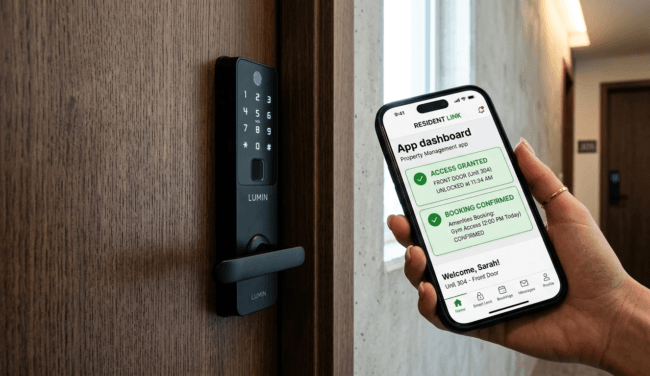
To run a successful automated property management side hustle, you must deploy a tech stack consisting of a Property Management System (PMS), a dynamic pricing engine, and smart hardware. Software platforms like Guesty or Hostaway centralize multi-channel messaging, while tools like PriceLabs automatically adjust daily rates based on local market demand. Pair these with remote WiFi smart locks like Schlage or Yale to enable completely contactless, automated check-ins.
Q10: How do professional digital operators structure an Airbnb business under an LLC for asset protection?
Structuring an Airbnb business under an LLC isolates your personal assets from your commercial hospitality operations, minimizing financial risk. Your limited liability company should sign all corporate leases, open the business bank accounts, and hold the commercial insurance policies. This corporate veil ensures that if a guest gets injured or a property damage dispute arises, liability is confined solely to the business entity rather than your personal savings or property.
Q11: What is the most reliable way to find landlords open to short term rental subleasing options?
Locating properties open to short term rental subleasing options requires targeting motivated, independent landlords on platforms like Zillow, Craigslist, or Furnished Finder. Avoid corporate mega-complexes with rigid institutional rules, and focus on properties that have been listed for rent for over 30 days. Contact these owners directly, leading with your corporate profile, and offer to fill their costly vacancy immediately with a guaranteed multi-year corporate lease.
Q12: How do you calculate your break-even point using an Airbnb arbitrage revenue calculator?
Using an accurate Airbnb arbitrage revenue calculator requires mapping out every fixed and variable monthly cost against conservative regional occupancy assumptions. Add up rent, utilities, high-speed internet, software stack costs, and commercial insurance to establish your baseline monthly overhead. Divide this total by your expected Average Daily Rate (ADR) after platform fees to determine exactly how many nights your unit must be booked each month to cover costs.
Q13: What does a professional master lease agreement template look like for commercial subletting?
A robust master lease agreement template differs fundamentally from standard residential leases by granting the tenant explicit rights to operate a commercial hospitality business. It must feature clauses defining guest stay limitations, maintaining the landlord’s right to structural building maintenance, and outlining explicit damage protocols. It should also state clearly that the tenant holds commercial general liability insurance, indemnifying the property owner against guest-related incidents.
Q14: How can someone implement an Airbnb co-host client acquisition strategy with zero industry experience?

A successful Airbnb co-host client acquisition strategy involves targeting tired, underperforming self-managed hosts on Airbnb and offering a performance-based optimization audit. Identify local listings with poor photography, slow response times, or sub-optimal pricing strategies, and pitch your management services to fix these flaws. Offer a low introductory rate, such as 10% of gross revenue for the first 90 days, to build a track record and secure testimonials before scaling to your standard 20% fee.
Q15: What specific commercial general liability insurance for short term rentals is required for protection?
Standard renter’s or homeowner’s policies do not cover commercial hospitality activities, requiring specialized commercial general liability insurance for short term rentals. Operators must secure policies from dedicated providers like Proper Insurance or Steadily, which cover commercial liability, structural property damage, and business interruption losses. Ensure your policy explicitly names the property landlord as an “additionally insured” party to provide them with total peace of mind.
Q16: How do you manage remote turnovers when running a passive income Airbnb master lease business?
Maintaining a passive income Airbnb master lease business from a distance requires building a reliable team of vetted, independent cleaning contractors. Use specialized marketplace apps like Turno or TurnoverBnB to find, schedule, and pay local cleaners automatically via calendar syncing. Require your cleaning crews to upload digital photo checklists of every room after every turnover to verify quality control, spot damages early, and track inventory remotely.
Q17: What are the primary legal differences between Airbnb arbitrage vs co-hosting in the USA market?
When analyzing Airbnb arbitrage vs co-hosting, the distinction lies entirely in your financial risk profile, upfront capital requirements, and contract structures. Arbitrage requires signing a lease, paying upfront furniture costs, and holding full liability for monthly rent regardless of booking performance. Co-hosting requires zero capital down, as you simply manage someone else’s property for a cut of the revenue, making it the lower-risk option for beginners.
Q18: How do you bypass strict HOA short term rental rules in suburban real estate markets?
Overcoming restrictive HOA short term rental rules requires thorough, upfront research of community bylaws before signing any lease agreements. If an HOA explicitly bans rentals under 30 days, do not attempt to sneak guests in; instead, pivot your model to medium-term 30-to-90-day corporate housing. If you want true short-term bookings, target properties located outside of formal homeowners associations, focusing on standalone homes with independent city zoning.
Q19: What is the ideal market selection for short term rental corporate housing options?
The best locations for short term rental corporate housing options are mid-sized cities with large medical centers, major universities, or growing corporate headquarters. Look for areas with a steady influx of traveling professionals, military personnel, or construction crews who need comfortable, turnkey housing for weeks at a time. To run deep structural market research on regional data trends, professional operators evaluate metrics directly on AirDNA short-term rental data analytics market research tools.
Q20: How do you handle guest screening to protect an asset-light vacation rental business?
Protecting an asset-light vacation rental business requires automated guest screening protocols to filter out unauthorized parties and problematic bookings. Turn off instant-book features for local profiles with zero reviews, and require a government-issued photo ID verification for every reservation. Use specialized software integrations like Autohost or Superhog to run digital background checks, flag high-risk reservation patterns, and collect mandatory security deposits automatically.
Q21: What are the best methods for optimizing a short-term listing for 2026 Generative Engine Optimization?
To optimize a listing for 2026 Generative Engine Optimization, you must write descriptive, highly specific copy that AI search engines can easily parse and recommend. Instead of generic titles, use rich, contextual keywords describing unique amenities, precise locations, and hyper-specific use cases, such as “Pet-Friendly Loft Near Downtown Austin Convention Center.” AI search engines scan descriptions for specific user intents, so clearly listing workspace specs, high-speed Wi-Fi speeds, and local transit proximity helps maximize visibility.
Q22: How do you negotiate a flexible corporate housing lease agreement with independent landlords?
Securing a favorable flexible corporate housing lease agreement requires adding a specialized “diplomatic clause” or a 60-day early termination option into your lease contract. Explain to the landlord that if local market regulations change or corporate travel demand drops, you need a structured, legal exit strategy. Offer to pay a slightly higher monthly rent in exchange for this flexibility, ensuring your business remains agile and protected against unexpected economic shifts.
Q23: What are the most common Airbnb property management side hustle scams to avoid?
A common trap in the Airbnb property management side hustle niche involves fraudulent online lists pitching “pre-approved arbitrage properties” for an upfront fee. These listings are frequently outdated, completely fake, or involve landlords who have no idea their property is being advertised. Never pay an online guru for property leads; instead, source properties yourself through direct, professional landlord outreach and verified market data tools.
Q24: How do you design and source inventory for an affordable Airbnb furniture package?
Assembling an eye-catching, durable Airbnb furniture package requires focusing on commercial-grade textiles, minimalist aesthetics, and affordable online wholesale platforms. Use high-traffic rugs, faux-leather seating that is easy to wipe down, and standardized white linens that can be bleached effortlessly between stays. Source your core pieces from platforms like Wayfair Professional or Amazon, and add unique local decor items to make your digital listing photos pop.
Q25: How does the master lease method for hospitality businesses compare to buying traditional real estate?
The master lease method for hospitality businesses offers a significantly higher cash-on-cash return on investment compared to buying traditional real estate assets. Buying a $400,000 property requires a 20% down payment ($80,000) plus closing costs, locking up substantial capital for a single asset. A master lease lets you control that exact same property for around $8,000 in startup costs, allowing you to launch ten separate income-generating units for the price of buying one house.
Q26: What are the current federal and state Airbnb regulations United States 2026 operators must comply with?
Staying compliant with Airbnb regulations United States 2026 requires tracking local hotel occupancy tax requirements, municipal zoning permits, and safety codes. Many states now require short-term operators to hold an active transient occupancy registration certificate and collect local tourism taxes automatically through booking platforms. Before setting up your profiles, you must review the official Airbnb professional hosting regional regulatory compliance requirements framework to ensure your specific neighborhood allows commercial short-term stays.
Q27: How can you grow a multi-unit operation using a scaling no money down Airbnb strategy?
Scaling via a scaling no money down Airbnb strategy relies on reinvesting your early co-hosting cash flow to secure high-margin corporate arbitrage leases. Start by managing properties for other owners for a 20% fee, keeping your overhead at zero while banking pure profit. Once you have built a solid financial reserve and an optimization track record, leverage those funds and landlord relationships to secure your first dedicated master leases.
Q28: How do you protect properties using automated short-term rental noise monitoring tools?
Preventing unauthorized parties in an automated short-term rental noise monitoring tools setup requires installing privacy-safe, smart sensor hardware inside your units. Devices like Minut or NoiseAware measure decibel levels and track guest counts via Bluetooth signals without recording conversations or violating privacy. Program these systems to automatically text guests a polite reminder if sound levels cross your set threshold for more than ten minutes, stopping parties before they escalate.
Q29: What metrics should you track inside an Airbnb arbitrage data analysis spreadsheet?
A professional Airbnb arbitrage data analysis spreadsheet must track historical metrics like RevPAR (Revenue Per Available Room), Net Operating Income (NOI), and your exact cleaning cost recovery rate. Monitor your average customer acquisition cost across different booking platforms, alongside your ongoing monthly software overhead. Tracking these numbers closely allows you to quickly see which properties are highly profitable and which units need pricing optimizations or cancellation policy adjustments.
Q30: How do you build an asset-light vacation rental exit strategy if you decide to sell your business?
Building a valuable asset-light vacation rental exit strategy involves structuring your corporate LLC so it can be sold as a turnkey, cash-flowing business entity. Ensure all your master leases are explicitly held under the LLC name and contain “transfer of ownership” clauses that remain valid if the company is sold. Maintain clean, audited accounting books and documented standard operating procedures (SOPs) so an investor can easily step in and run the automated portfolio seamlessly.
Q31: Why is a diversified no property hospitality portfolio safer than relying on a single listing?
Relying on a single property leaves your income highly vulnerable to sudden building sales, local regulatory updates, or unexpected neighborhood construction. Building a diversified no property hospitality portfolio across multiple neighborhoods and property types spreads your operational risk effectively. Combining short-term vacation arbitrage, medium-term corporate stays, and asset-free co-hosting agreements creates a highly stable, resilient digital business that generates consistent cash flow year-round.
The Reality Check: Arbitrage & Co-Hosting Performance Comparison
| Metric / Feature | Airbnb Rental Arbitrage | Airbnb Co-Hosting Model |
| Upfront Capital Required | $6,000 – $12,000 per unit | $0 (Zero Capital Needed) |
| Financial Liability Risk | High (You owe fixed monthly rent) | None (Performance-based fee) |
| Average Profit Margin | 30% – 45% of gross revenue | 15% – 25% management fee |
| Control Over the Property | High (You are the primary tenant) | Low (Owner has final say) |
| Scalability Speed | Medium (Requires capital reserves) | Ultra-Fast (Asset-light model) |
| Key Platform Focus | Corporate housing & vacationers | Direct owner relations & listings |
The Ugly Truth Section
Let’s cut through the polished hype found across social media channels. Operating a short-term rental business without owning real estate is not a magical hands-free internet ATM. It is an active hospitality operations business hidden behind a digital storefront.
- The Eviction Trap: If you use a standard residential lease for arbitrage without an explicit corporate addendum, your landlord can evict you immediately, causing you to lose your security deposit and furniture investment.
- The Ghost Town Reality: A couple of slow months can quickly wipe out your yearly profits if you are locked into high-rent long-term master leases in unverified markets.
- The Bad Guest Nightmare: Even with solid guest screening tools, you will eventually deal with a difficult guest who smokes indoors, damages furniture, or ignores checkout times, requiring hands-on crisis management.
Step-by-Step Launch Summary Checklist
- [ ] Verify Local Codes: Check your target city’s 2026 zoning laws and transient occupancy regulations before choosing an investment strategy.
- [ ] Form a Legal Structure: Set up a clean corporate LLC and open a dedicated business bank account to protect your personal assets.
- [ ] Build Your Pitch Materials: Create a clean professional flyer or landlord pitch deck showcasing your commercial insurance, guest screening, and property care protocols.
- [ ] Run Market Analytics: Use tools like PriceLabs or AirDNA to verify that a neighborhood’s average daily rates can comfortably cover local rental costs.
- [ ] Pitch Properties: Reach out to independent property owners on rental platforms, offering corporate leases with guaranteed rent.
- [ ] Deploy Smart Tech Stack: Install remote smart locks, privacy-safe noise monitors, and set up your channel management software.
- [ ] Source Commercial Decor: Furnish your arbitrage units using a durable, stylish asset package optimized for photo platforms.
- [ ] Optimize and Automate: Write rich, clear property descriptions tailored for modern AI engines, connect automated cleaning tools, and launch your listing.
Income Disclaimer & Disclosures
Your results may vary. The financial performance and earnings outcomes detailed in this guide depend entirely on your local real estate market, regional tourist demand, regulatory environment, and individual business skills. We do not guarantee specific income levels, profit margins, or booking rates. This educational resource does not constitute formal legal, financial, or real estate advisory services. Always consult a licensed attorney and certified accountant before signing long-term commercial lease agreements or business contracts.
Internal & External Linking Hub
- How to Flip Websites for Profit in 2026 USA
- Highest Paying Gig Economy Jobs in the USA 2026
- How to Start a Notion Template Business in 2026 USA
- Freelance Digital Skills That Pay 2026 USA
- AI Automation Services for Small Businesses 2026 USA
- Voiceover Jobs 2026 USA
- Virtual Bookkeeping Business 2026 USA
- How to Sell Stock Photos Online in 2026 USA
- Proofreading Jobs Online 2026 USA
- AI Data Annotation Jobs 2026 USA
- Online Transcription Jobs 2026 USA
- User Testing Jobs 2026 USA
- How to Become an AI Prompt Engineer in 2026 USA
- Best Secret Remote Job Boards 2026 USA
- Upwork for Beginners in 2026 USA
- Pinterest Affiliate Marketing in 2026 USA
- How to Start a Faceless YouTube Channel in 2026 USA
- How to Start Amazon KDP in 2026 USA
- How to Start Dropshipping in 2026 USA
- How to Create and Sell Online Courses in 2026 USA
Frequently Asked Questions (FAQ)
Can I start an Airbnb business without property ownership if I have bad credit?
Yes. If your credit score makes signing a corporate lease difficult, focus entirely on the co-hosting model. Co-hosting relies on your management skills and time rather than your credit score or financial assets, since the property owner already holds the primary mortgage or lease.
What happens if a short-term guest completely destroys the apartment?
If a guest damages a property, you are protected by Airbnb’s AirCover program alongside your primary commercial short-term rental liability policy. You must document the damage with clear photos immediately and file a formal claim before the next guest checks in to secure reimbursement.
How long does it typically take to hit profitability with a new master lease?
Most optimized corporate arbitrage units break even on their initial furniture and startup investments within 6 to 9 months of active operations, provided you launch in a high-demand market with competitive daily rates.
🛠️ High-CTR Engagement Tool: 2026 US Arbitrage Profit Matrix
📊 2026 USA Airbnb Arbitrage Target Metrics Matrix
Use these industry baseline calculations for 2026 to target high-margin American rental markets based on an average 65% occupancy rate.